Why a good night’s sleep matters
How sleep, stress and cortisol are linked, and simple changes to your routine that can help you sleep better.
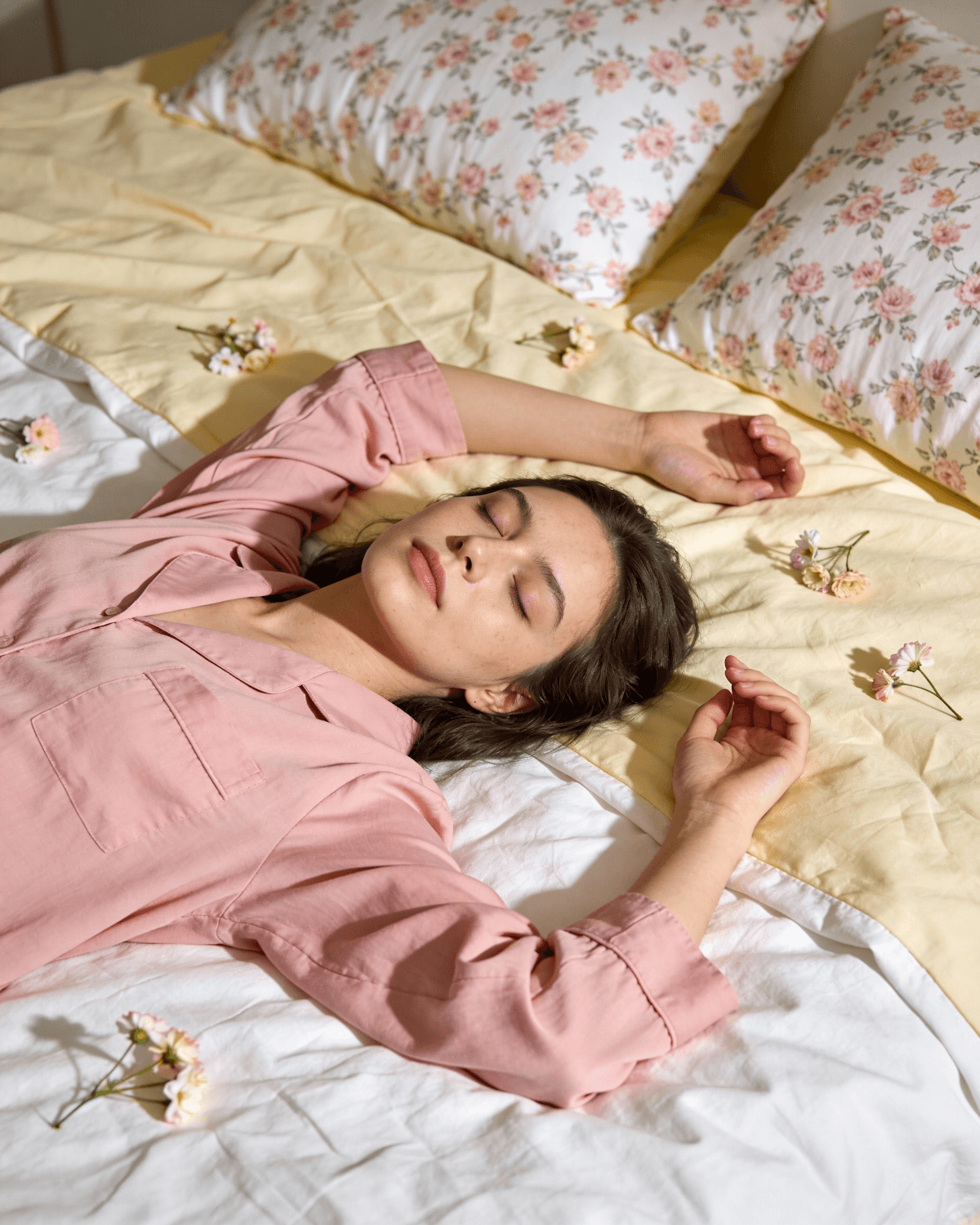
How well you sleep shapes how the next day goes. A poor night can leave you irritable, and that frustration can make it harder to switch off the following night. Before long, poor sleep and low mood start to feed each other, raising your stress levels and making sleep harder still.
Stress and cortisol
When we are stressed, the body releases a hormone called cortisol, which normally helps us cope. Too much of it, though, can contribute to stress, high blood pressure, weight gain and sleep problems. Some research suggests that better quality sleep may help keep cortisol levels in check.
Try meditation
Meditation trains your attention and helps you let go of distractions. It takes practice, but over time it builds awareness of the present moment, and it can slow your breathing and heart rate, which makes restful sleep more likely. A few apps worth trying, all available on iOS and Android:
- Headspace: a subscription app with courses on sleep, anxiety, exercise and more.
- Insight Timer: free, with a huge library of guided meditations you can search by topic.
- Calm: good for busy people, with sessions from 3 to 25 minutes and a new meditation every day.
Watch what you eat and drink
- Caffeine: it keeps you alert for hours, even when you do not notice it. Some studies suggest avoiding coffee after 2pm, so try switching to decaf in the afternoon.
- Alcohol: it might make you drowsy at first, but it disturbs your sleep as it wears off. Leave a few hours between your last drink and bedtime.
- Large meals: eating a big meal close to bedtime can cause indigestion and disrupt your sleep.
Keep moving
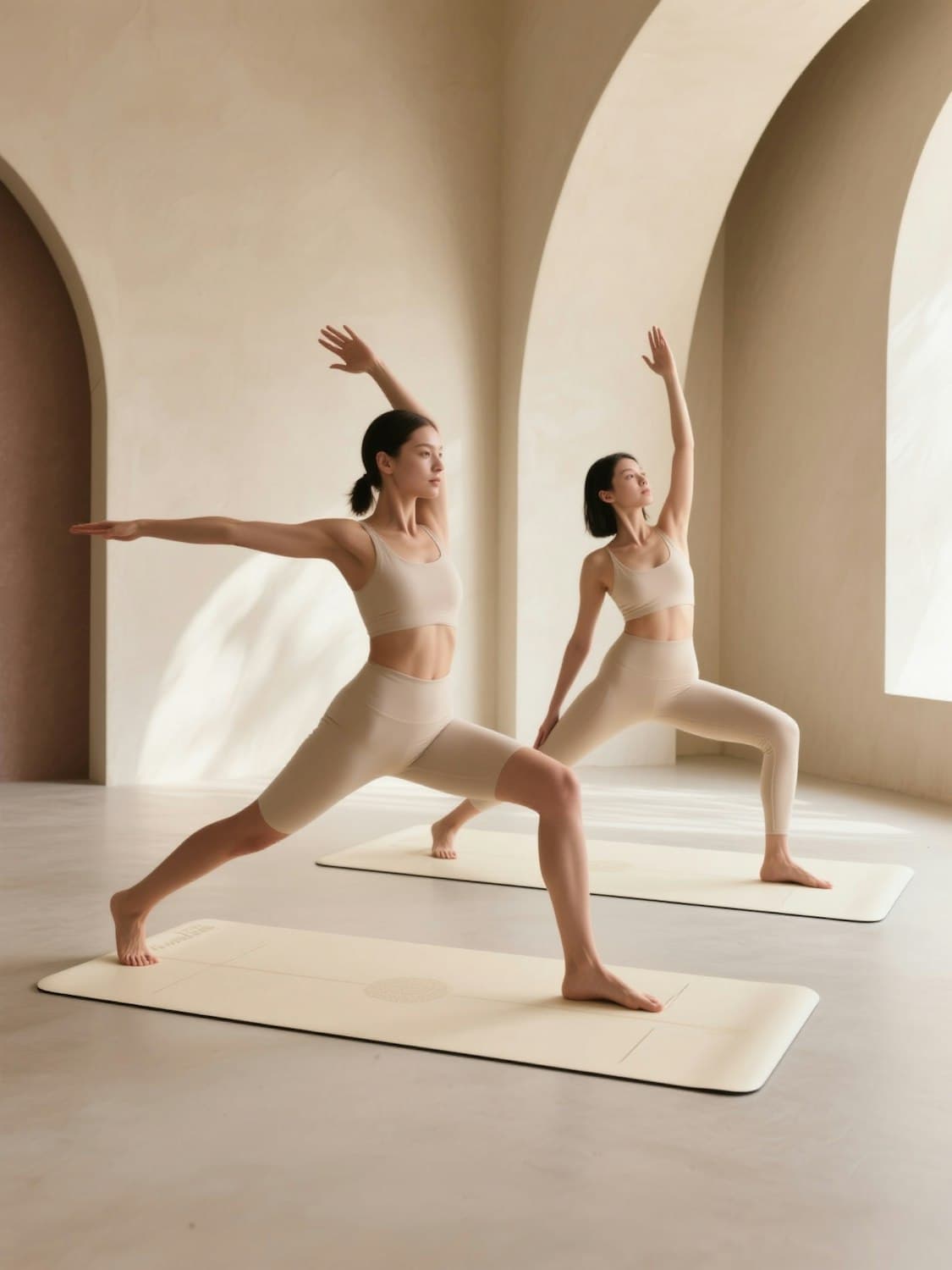
Exercise is one of the biggest influences on sleep. It helps to lower cortisol and boosts endorphins, which lift your mood and help your body get ready to rest. It does not need to be strenuous: a short walk before dinner or some gentle yoga can help relax both body and mind.
Looking for somewhere to start? Read our guide, Why yoga? Why not?